Published on:
9 min read
Winterizing a Small Patio or Balcony: A Practical Checklist
Cold weather is hard on hoses, pots, cushions, and anything that holds water. This checklist walks through what to drain, store, cover, and secure on a small patio or balcony before freezing temperatures arrive, with clear notes on fuel, heaters, and building rules.
Why a Small Outdoor Space Still Needs Winter Prep
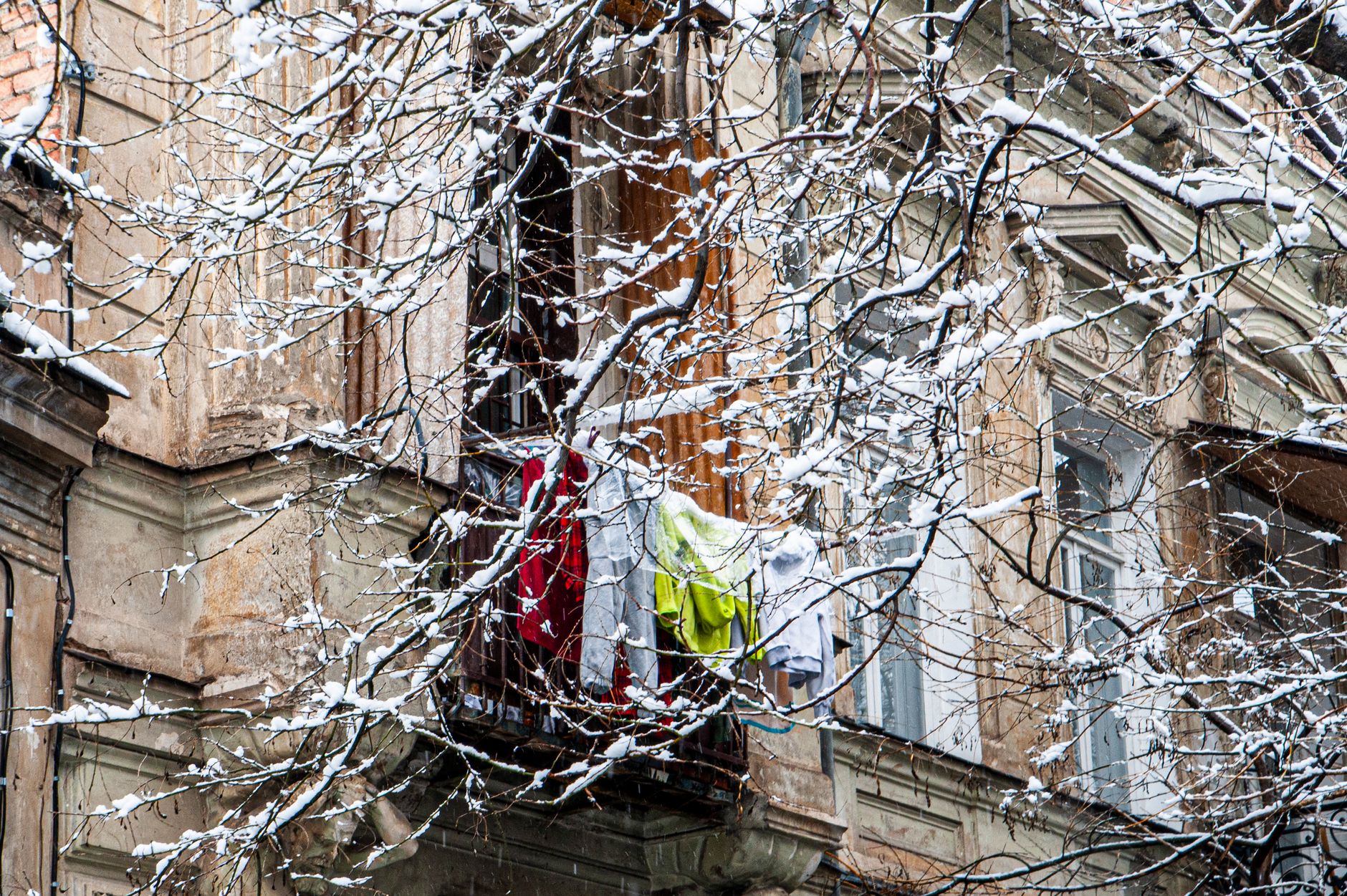
A compact patio or balcony may not seem to need much attention before winter, but freeze and thaw cycles can crack containers, burst hoses, and leave furniture damaged by spring. On balconies, snow, ice, and wind add a safety element: anything loose can blow off, and ice can make the surface hazardous. A short session before the first hard freeze usually takes an afternoon and saves money and frustration later. If you rent, check your building's rules for balconies, since many limit what can be stored outside during winter and restrict grills and heaters entirely.
Drain Hoses and Outdoor Faucets
Water expands when it freezes, which is why hoses and outdoor faucets are common winter casualties. Disconnect garden hoses from outdoor spigots, drain them fully, and coil them for storage out of direct sun. If your home has an indoor shutoff for the outdoor faucet, close it and then open the outdoor tap to let the remaining water drain. Leaving a hose connected can trap water in the faucet and the pipe behind it. If you are not sure where your shutoffs are, /posts/mapping-home-shutoffs-emergency explains how to find and label them.
Renters should ask maintenance staff whether outdoor faucets are winterized by the building. It is a common task for property managers.

Containers and Plants
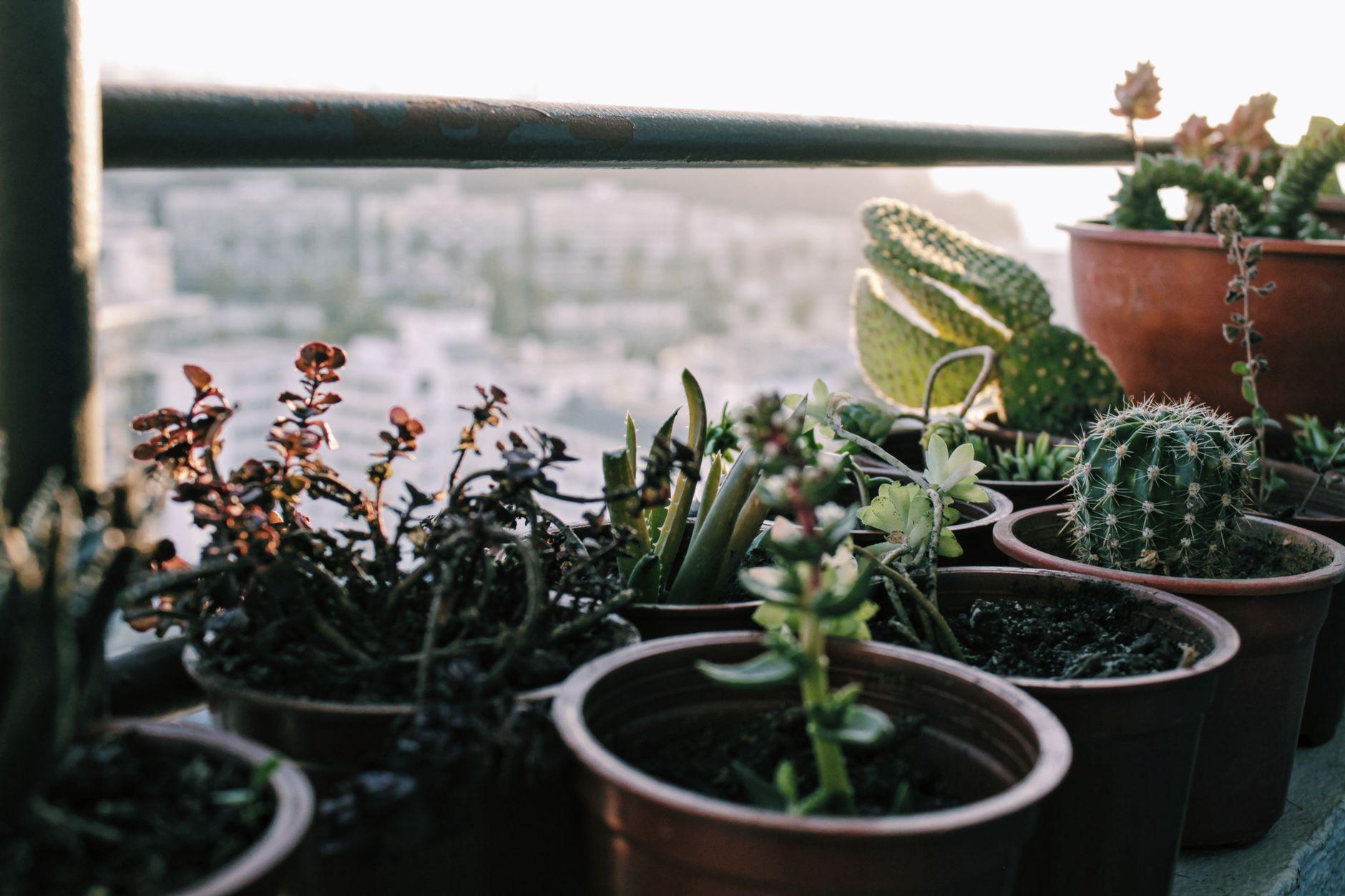
Terracotta and some ceramic pots can crack when wet soil inside them freezes and expands. Empty containers that will not overwinter plants, let them dry, and store them upside down or indoors. For containers that stay out, group them together against a wall for shelter, raise them on pot feet so water can drain, and avoid saucers that hold standing water. Hardy perennials in containers are more exposed than they would be in the ground, so many gardeners move them to a sheltered spot. For a refresher on weight and drainage on balconies, see /posts/balcony-plants-prep-small-spaces.
Furniture and Cushions
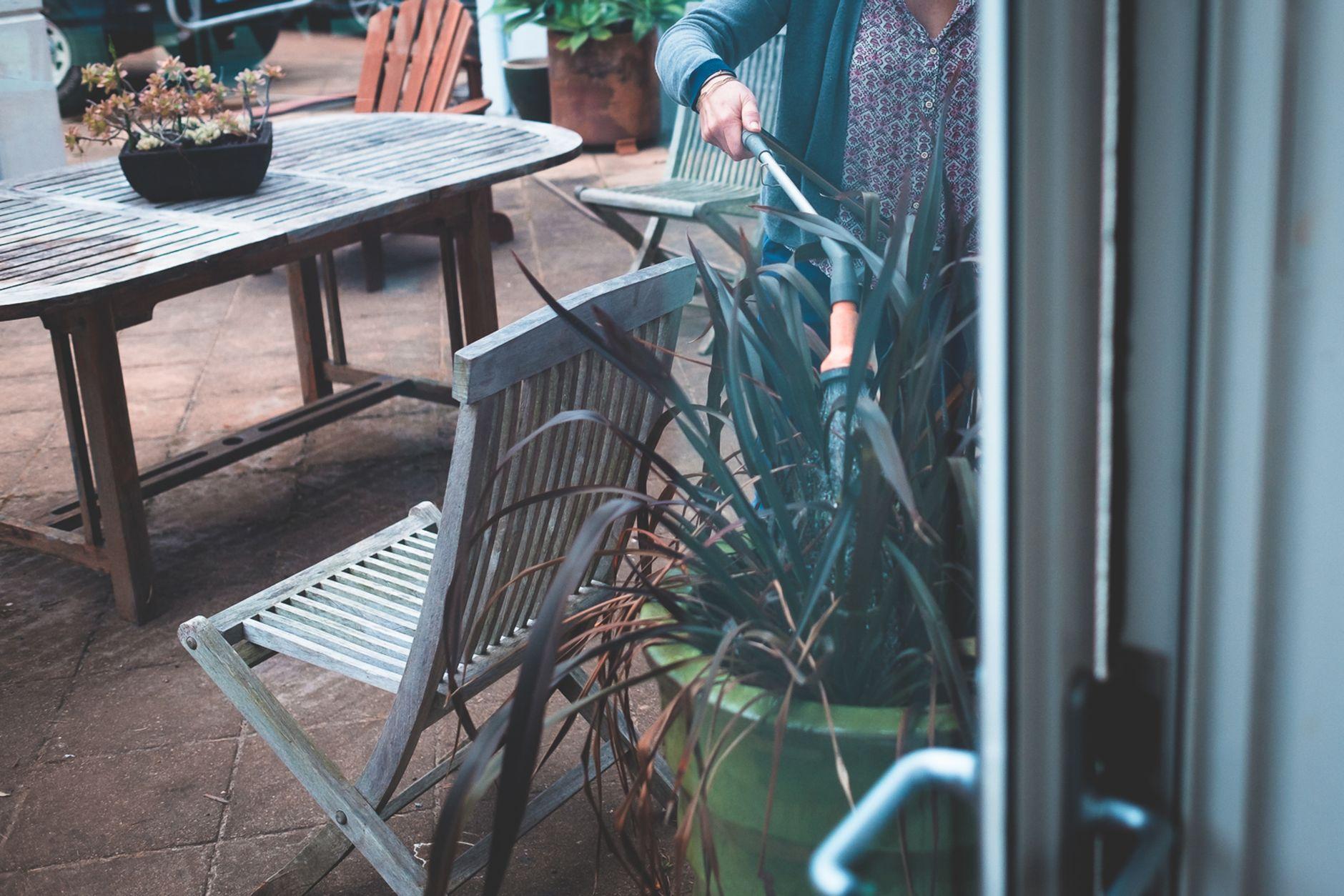
Clean furniture before storing or covering it, since dirt and pollen trap moisture against surfaces. Let everything dry completely. Store cushions and fabric items indoors in a dry space; damp storage leads to mildew. Breathable covers are better than plastic tarps, which can trap condensation. Stackable chairs can be stored together to reduce wind exposure. The full cleaning and storage routine for mixed-material sets is in /posts/patio-furniture-seasonal-care.
Secure Anything That Can Blow Away
Winter storms bring strong winds, and objects falling from balconies can injure people below. Bring in lightweight decor, umbrellas, and small tables. Take down shade sails and fabric screens or confirm they are rated for winter conditions; /posts/patio-shade-without-wind-hazard covers wind risk in more detail. Check that string lights and their clips are secure and rated for outdoor use, or take them down until spring. For weather-ready options, see /posts/renter-friendly-outdoor-lighting-weather.
Grills, Fuel, and Heaters
Fuel and heat sources require extra caution in winter. Follow these basics:
- Propane cylinders should be stored outdoors in an upright position, away from doors and windows, and never inside a home or garage. Check your building's rules, as many apartment buildings prohibit them on balconies.
- Charcoal and gas grills must never be used indoors, in a garage, or in an enclosed porch. Burning fuel produces carbon monoxide, which is odorless and can be deadly.
- Fuel-burning patio heaters are designed for open outdoor areas only, and many buildings ban them on balconies.
- Electric heaters should be rated for outdoor use if used outside, and plugged directly into a properly grounded outdoor outlet, not an indoor extension cord.
Snow and Ice on Balconies and Steps
Use a plastic shovel or broom to clear light snow from balconies so you do not scratch decking or membranes. Never push snow over the railing onto areas below. Avoid rock salt on wood, concrete balconies, and some composite decking unless the manufacturer allows it, since it can damage surfaces; sand or a product labeled safe for the material provides traction. Heavy or wet snow accumulating on a balcony should be reported to your building manager, as structures have load limits.
Quick Winterization Checklist
- Hoses disconnected, drained, and stored
- Outdoor faucet drained and indoor shutoff closed, or confirmed with building maintenance
- Empty pots dried and stored; remaining pots grouped and raised
- Cushions and fabrics dry and stored indoors
- Loose decor, umbrellas, and shade fabrics brought in
- Grill and fuel stored according to building rules
- Carbon monoxide alarms tested inside the home
When to Call a Professional
If an outdoor faucet drips after being shut off, if you see cracks in balcony concrete, rust stains at railing posts, or soft spots in a wood deck, contact your landlord or a qualified contractor before winter. These issues usually get worse with freezing and thawing.
References
- Ready.gov, Winter Weather — preparing homes and families for cold weather at https://www.ready.gov/winter-weather
- U.S. Centers for Disease Control and Prevention, Carbon Monoxide Poisoning — prevention basics at https://www.cdc.gov/carbon-monoxide/about/index.html
- National Fire Protection Association — fire safety information on grilling and heating at https://www.nfpa.org/
Article information
Published

About the author
Hazel BennettDIY & Outdoor Projects Writer
Hazel Bennett covers DIY projects and outdoor spaces for TopicFlex. She focuses on stepwise project planning, material lists, and outdoor-space improvements that renters and homeowners can approach carefully.
More from Hazel →This information is general and is not a substitute for professional advice for your specific situation.